Sustainable Solutions: How E-Waste Recycling Services Are Saving Our Planet
E-waste poses significant threats to the environment, as abandoned electronic devices commonly carry harmful materials. These toxic materials have the potential to taint soil and water sources, resulting in widespread environmental harm. Electronic waste recycling programs offer an effective remedy. They not only recover valuable resources but also mitigate pollution. Comprehending the operation of these services and their influence on communities is of great importance. The journey towards effective e-waste management raises critical questions about individual responsibility and collective action. What measures can be pursued from this point onward?
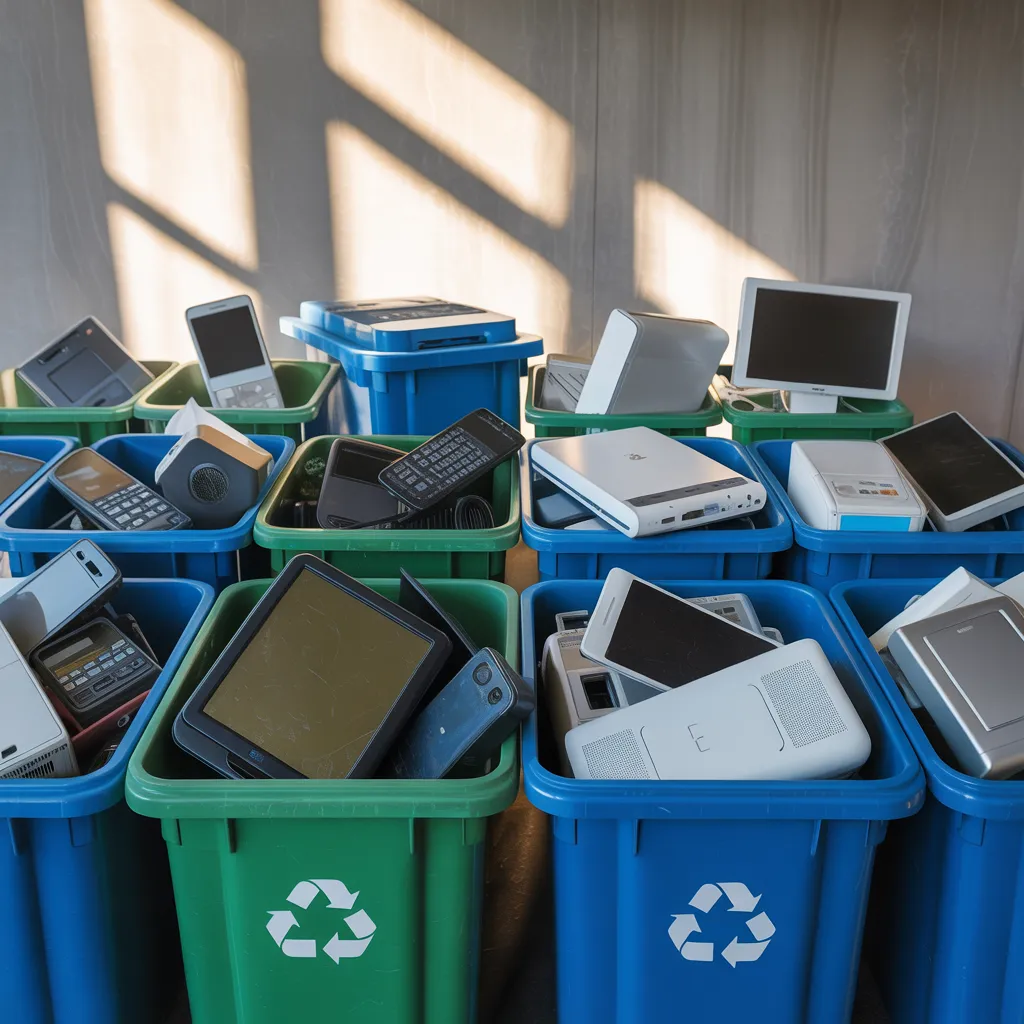
How E-Waste Is Hurting the Planet
While technology enhances contemporary living, e-waste creates significant environmental threats. Disposed electronic equipment, commonly laden with dangerous compounds like lead, mercury, and cadmium, may release harmful substances into groundwater and soil, posing risks to human health and ecosystems. The rapid pace of technological advancement leads to greater consumer replacement of electronic devices, intensifying the growing problem of electronic waste.
Landfills, already overwhelmed with refuse, find it difficult to handle the increasing amounts of discarded devices. Incineration, a common waste management technique, emits dangerous pollutants into the environment, degrading atmospheric conditions. Moreover, poor recycling procedures can cause e-waste to be sent to developing regions, where employees may disassemble electronics without sufficient safety precautions, leaving them vulnerable to harmful substances. This cycle of neglect and improper handling underscores the urgent need for sustainable recycling solutions that can mitigate the adverse effects of e-waste on the planet.
What Is E-Waste and Why Is It Important?
Electronic waste, commonly known as e-waste, encompasses discarded electronic devices including smartphones, computers, and televisions that have reached the end of their useful life. This rapidly expanding waste category is noteworthy due to its rapid accumulation, fueled by innovation in technology and shifting consumer habits. With an increasing number of devices reaching obsolescence, the toll on the environment grows more severe, with dangerous elements including lead, mercury, and cadmium threatening both ecosystems and public health.
The importance of addressing e-waste lies not only in mitigating these hazards but also in recognizing the valuable materials it contains. Precious metals and rare earth elements can be recovered and reused, reducing the need for mining and conserving natural resources. By understanding e-waste and its implications, individuals and organizations can make informed decisions about disposal and recycling, ultimately contributing to a more sustainable future. Proper management of e-waste is essential for fostering a circular economy and promoting environmental stewardship.
The Way E-Waste Recycling Functions
Recycling e-waste involves a structured approach intended to extract beneficial components while reducing harm to the environment. At the outset, discarded electronics are retrieved and sent to dedicated processing centers. After reaching the facility, the devices undergo thorough sorting to isolate dangerous parts from recoverable materials.
After this step, specialists take apart the devices, separating plastics, metals, and glass. This phase is essential, as it enables the reclamation of rare metals like copper, gold, and silver, which may be utilized in new electronics.
Next, the isolated materials are processed with sophisticated techniques, such as chemical treatments and shredding, to cleanse them for reuse.
Ultimately, the leftover hazardous waste is handled with responsibility, complying with environmental guidelines. This multi-step approach not only conserves resources but also reduces the dangers linked to unsafe e-waste handling, guaranteeing a greener future for electronic device usage.
How E-Waste Recycling Benefits You and Your Community
Although it often goes unnoticed, the benefits of e-waste recycling go far beyond Continue reading individual benefit and actively shape entire communities. By carefully processing electronic waste, individuals play a role in creating a cleaner environment, decreasing hazardous materials that can contaminate soil and water. This forward-thinking practice actively safeguards local ecosystems and advances public health.
In addition, e-waste recycling promotes workforce growth within communities. Regional recycling centers frequently need staff for diverse activities, covering everything from collection to processing, consequently creating meaningful employment within the community. This not only boosts the local economy but also encourages community engagement in sustainable practices.
Moreover, familiarity with e-waste recycling may result in awareness campaigns, enabling residents to pursue greener alternatives. By taking part in e-waste recycling programs, individuals cultivate a culture of sustainability, prompting others to embrace similar practices. Overall, the collective impact of these actions can result in a more resilient and environmentally responsible community.
How to Choose an E-Waste Recycling Service
Picking the best e-waste recycling service is crucial for making sure that e-waste is processed responsibly and sustainably. To begin, people should confirm the service's credentials, such as e-Stewards or R2, which indicate conformance to industry standards for safe recycling practices. It is equally important to evaluate the organization's reputation by reading customer reviews and obtaining recommendations from trusted sources.
Moreover, clarity in the recycling process is essential. A trustworthy provider should offer detailed insights about the way e-waste is handled and how the materials are utilized. Moreover, evaluating the range of services offered can be beneficial; various firms may supply retrieval services or extend benefits for recycling.
Ultimately, familiarizing yourself with area-specific requirements for e-waste disposal can help inform the selection process. By prioritizing these factors, consumers can play a role in effective e-waste management while also advancing eco-friendly habits.
How You Can Take Part in E-Waste Recycling?
Engaging in e-waste recycling can start at the local level, where community recycling hubs frequently offer essential services for responsible disposal. Moreover, joining community awareness campaigns can amplify efforts to raise awareness about the importance of proper e-waste handling. These initiatives not only advance environmental sustainability but also foster a collective sense of accountability for the environment.
Community Recycling Locations
Numerous local recycling centers serve a vital function in recycling electronic waste, offering communities convenient opportunities to manage electronic waste appropriately. These hubs welcome a selection of electronic devices, including outdated computers, mobile phones, and TVs, making certain that hazardous materials are managed safely. Many hubs feature experienced team members who can guide individuals on proper disposal methods, underscoring the benefits of recycling compared to landfilling. In addition, several stations organize scheduled drop-off occasions or specific collection dates, allowing residents to take part with ease. By utilizing these local services, residents support a circular economy, reducing environmental impact and promoting sustainable practices. Working alongside these hubs encourages communities to fight e-waste pollution decisively.
Public Awareness Initiatives
Local organizations, schools, and businesses can partner to arrange initiatives that encourage e-waste collection drives. Volunteers can play a pivotal role in raising awareness, sharing informational resources, and connecting with local residents. By means of these joint initiatives, community members grow more knowledgeable and inspired to dispose of their electronics responsibly, thus playing a meaningful role in creating a more environmentally responsible future.
Common Questions and Answers
What Electronic Devices Are Eligible for Recycling?
Various electronics may be recycled, including laptops, televisions, smartphones, printers, computers, and gaming consoles. Moreover, accessories such as mice, keyboards, and batteries are well-suited for recycling, aiding in environmental conservation efforts.
Is There a Cost Associated With E-Waste Recycling?
That's correct, e-waste disposal may involve costs, based on the provider. Some service centers impose charges for gathering or treatment, while other facilities make services available at no charge, often subsidized by the proceeds from salvaged materials.
How Do Businesses Gain From E-Waste Recycling?
Businesses can benefit from e-waste recycling by reducing disposal costs, strengthening their ecological standing, meeting compliance standards, extracting valuable resources, and potentially generating revenue through resale, thus supporting a greener and more sustainable operational framework.
What Becomes of Data on Recycled Devices?
Details from refurbished equipment is frequently irretrievably wiped or eliminated throughout the recycling process. This guarantees private details is kept safe, blocking unwanted intrusion while allowing resources to be repurposed securely and sustainably within new applications.
Is It Possible to Recycle Damaged Electronics?
Absolutely, defective electronics may be recycled. Many centers take in broken devices, providing safe disposal and extraction of useful materials. It helps lower the environmental footprint while fostering eco-friendly recycling methods to handle electronic waste properly.