Understanding E-Waste: Common Myths and Facts About Recycling
E-waste has become a significant issue in our current technological landscape. A large number of people maintain false beliefs about the recycling process. Widespread assumptions indicate that electronic waste is unrecyclable or that options for disposal are scarce. These false beliefs can obstruct recycling initiatives and intensify ecological damage. Comprehending the truths about electronic waste management is vital. What is the true effect on our environment, and in what ways can people help build a greener future? Examining these concerns uncovers important findings.
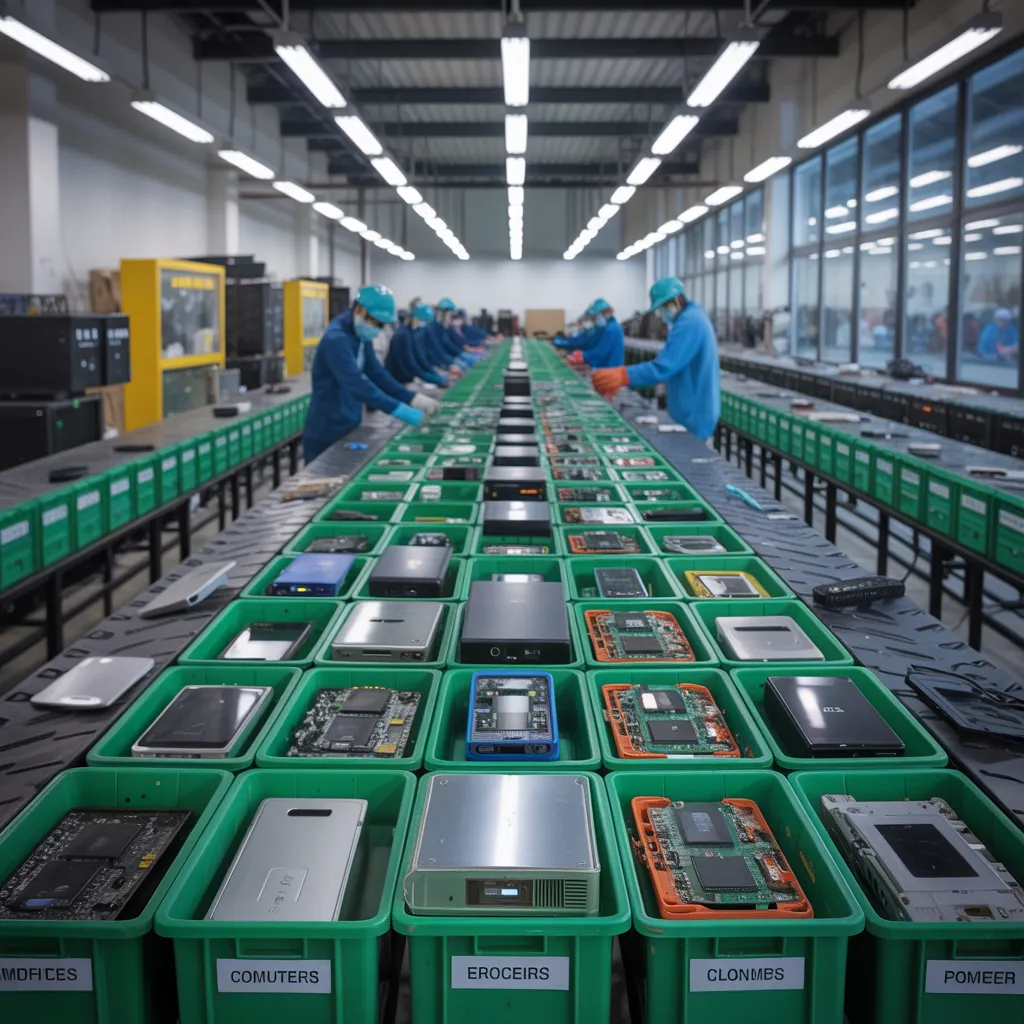
Unpacking E-Waste: What It Involves and How to Manage It Responsibly
E-waste, also referred to as electronic waste, encompasses discarded electrical devices, including computers, smartphones, and televisions. This category of waste is rapidly increasing due to the fast-paced evolution of technology, resulting in considerable environmental challenges. Numerous electronic products harbor dangerous substances including lead, mercury, and cadmium, which can pose risks to human health and ecosystems when improperly disposed of.
Proper management of electronic waste requires recycling via certified programs that ensure safe handling and processing. Numerous local and nationwide organizations provide collection events, drop-off locations, and mail-in recycling services. Individuals are advised to look for certification marks, such as R2 or e-Stewards, to verify that their e-waste is handled responsibly. Additionally, offering operational devices for donation can help extend their lifespan while cutting down on waste. Through awareness of e-waste and adherence to correct disposal practices, people can help build a more sustainable future and reduce environmental harm.
Busting Popular Myths Surrounding E-Waste Recycling
How can common misconceptions about e-waste recycling hinder effective disposal practices? Misconceptions about e-waste recycling frequently result in improper disposal methods, ultimately worsening the situation. One prevalent myth is that all e-waste is recyclable, which can foster complacency. In practice, not all components are suitable for standard processing, and some demand specialized treatment. Another misconception is that recycling e-waste is too complicated or costly, deterring individuals from participation. The reality is that numerous communities provide accessible and free recycling programs. Moreover, the notion that e-waste merely ends up in landfills diminishes the substantial efforts of recycling organizations dedicated to responsible processing. These falsehoods not only deceive the public but also hinder the unified effort essential for managing e-waste in a sustainable manner. Confronting and correcting these misconceptions is crucial for encouraging responsible consumer behavior Request a quote and boosting the overall impact of e-waste recycling programs.
What Environmental Damage Occurs When E-Waste Goes Unrecycled
Neglecting to recycle electronic waste creates major risks for the environment. When electronics are disposed of incorrectly, hazardous materials such as lead, mercury, and cadmium can seep into soil and water supplies, resulting in serious environmental pollution. These toxic substances pose health risks to wildlife and humans alike, undermining ecosystems and tainting food chains.
In addition, the accumulation of e-waste in landfills contributes to the degradation of natural resources. Critical metals and materials that have the potential to be salvaged and reused are wasted, increasing the demand for new mining operations, which further harms the environment. Furthermore, the carbon footprint connected to manufacturing new electronics is intensified, as raw materials are sourced and manufactured.
Proper Methods for Recycling Your Old Electronics
Regarding handling the disposal of aging electronics, people have a number of practical choices available. Community-based recycling initiatives often provide secure methods for disposal, guaranteeing that components are handled in an environmentally sound manner. Additionally, contributing functional devices can prolong their operational lifespan while supporting individuals who could use assistance.
Neighborhood Recycling Efforts
Many communities now offer community-based recycling initiatives tailored to address the proper discarding of outdated electronic equipment. These efforts work to minimize digital waste by offering convenient drop-off points and organized collection drives. Residents can often find details about accepted materials, ensuring that hazardous materials are properly managed. Neighborhood recycling efforts frequently work alongside certified e-waste recyclers, who follow environmental regulations to retrieve precious materials and properly handle toxic components. A number of programs further include benefits, like price reductions on updated technology, to encourage participation. By utilizing these local resources, residents can support ecological preservation while ensuring their old devices are recycled in a safe and effective manner. Understanding these opportunities is critical for conscientious electronic waste handling.
Options for Donating
Regional recycling efforts not only establish a way for responsible disposal but also open up possibilities for donating pre-owned electronics. Numerous organizations welcome working devices, including computers, smartphones, and tablets, which can be redirected for educational or philanthropic purposes. Schools, non-profits, and community centers often welcome such donations, ensuring that valuable technology reaches those in need. Additionally, some manufacturers and retailers offer trade-in programs, allowing individuals to exchange old devices for store credit, which promotes sustainability. It is necessary to explore available local choices and ensure that the recipient organization complies with responsible recycling guidelines. By choosing to donate over throwing away, individuals can lengthen the lifespan of electronic devices while fulfilling their community's technological demands.
How E-Waste Recycling Benefits You and the Environment
While often disregarded by some, e-waste recycling delivers considerable value for both consumers and the natural world. By properly recycling electronic waste, individuals can establish that useful substances, such as minerals and synthetic materials, are recovered and reused, minimizing the demand for raw material extraction. This not only protects valuable natural assets but also decreases environmental damage associated with industrial and processing operations.
Additionally, recycling e-waste works to prevent toxic substances, such as heavy metals like lead and mercury, from contaminating groundwater and soil reserves. When e-waste is diverted from landfills, communities can mitigate potential health risks to both humans and wildlife.
In addition, engaging in e-waste recycling is capable of generating monetary prospects, as the recycling industry stimulates job growth and stimulates local economies. Ultimately, responsible e-waste management encourages a more sustainable tomorrow, supporting individual well-being, the environment, and the broader economy as well. Recognizing these advantages can prompt more people to engage in e-waste recycling initiatives.
Discovering Local E-Waste Recycling Programs in Your Area
How can individuals locate e-waste recycling programs in their area? A variety of resources are available to assist in this endeavor. Municipal governments frequently operate websites that feature approved recycling centers. These platforms usually offer specifics regarding accepted materials and any relevant charges. In addition, organizations such as Earth911 provide searchable databases, allowing users to find nearby e-waste drop-off locations by entering their zip codes.
Municipal initiatives, such as e-waste collection days, are commonly hosted by municipal bodies or community groups, providing accessible solutions for sustainable waste handling. Electronics retailers may also join environmental recycling campaigns, collecting old electronics for appropriate handling. Additionally, state environmental agencies often supply information on electronic waste handling and can point consumers to reputable waste management services. By taking advantage of these options, residents can confirm their electronics are recycled properly, supporting ecological well-being.
Popular Questions Answered
Can Electronic Waste Be Fixed Instead of Being Recycled?
Electronic waste is frequently repairable rather than recycled, subject to the condition of the device and the availability of replacement parts. Fixing prolongs the lifespan of the item and lessens the burden on the environment, serving as a green substitute for standard recycling practices.
What Types of Electronics Are Considered E-Waste?
E-waste refers to obsolete electronics for example computers, smartphones, tablets, televisions, printers, and appliances. These devices typically harbor toxic components, making their proper disposal and recycling essential for protecting the environment and public health.
Are There Legal Requirements Governing E-Waste Disposal?
Yes, there are laws and regulations controlling e-waste disposal. Several nations and territories establish regulations to safeguard appropriate recycling and management, working to limit ecological damage and promote responsible management of e-waste through specific guidelines and standards.
What Are the Safe Ways to Store E-Waste Prior to Recycling?
To safely store e-waste before recycling, it is recommended that individuals keep their devices in a cool, dry area, ensure all power sources are disconnected, and use sturdy containers to prevent damage. Make sure to label each item clearly to facilitate proper disposal when needed.
What Certifications Should I Look for in E-Waste Recyclers?
When evaluating e-waste recycling companies, people should seek out credentials such as R2 (Responsible Recycling), e-Stewards, and ISO 14001. These certifications ensure compliance with environmental standards and proper management of e-waste during the entire recycling process.